ac labs and collaborating facilities

Explore our core facilities and related labs

Our centrE

The AC is creating a world-leading centre for accelerated materials discovery, thanks in part to a historic $200 million grant from the Canada First Research Excellence Fund.

We are building a world-leading centre for accelerated materials discovery, thanks in part to a $200 million grant from the Canada First Research Excellence Fund.

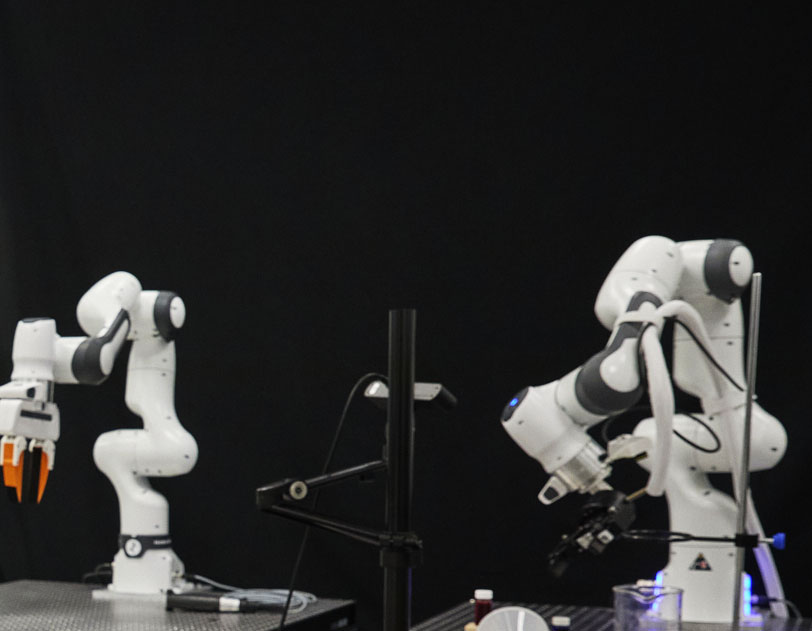
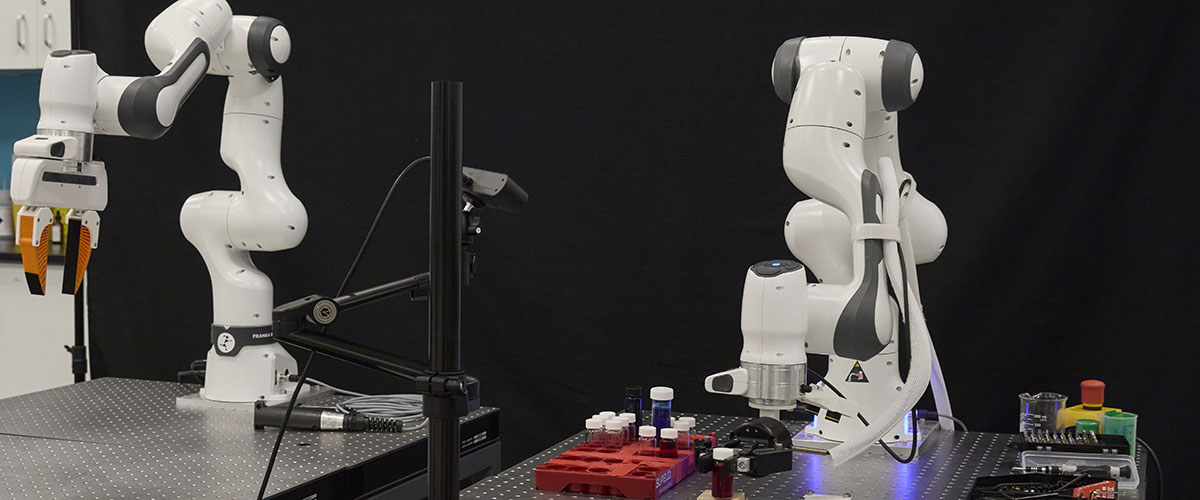
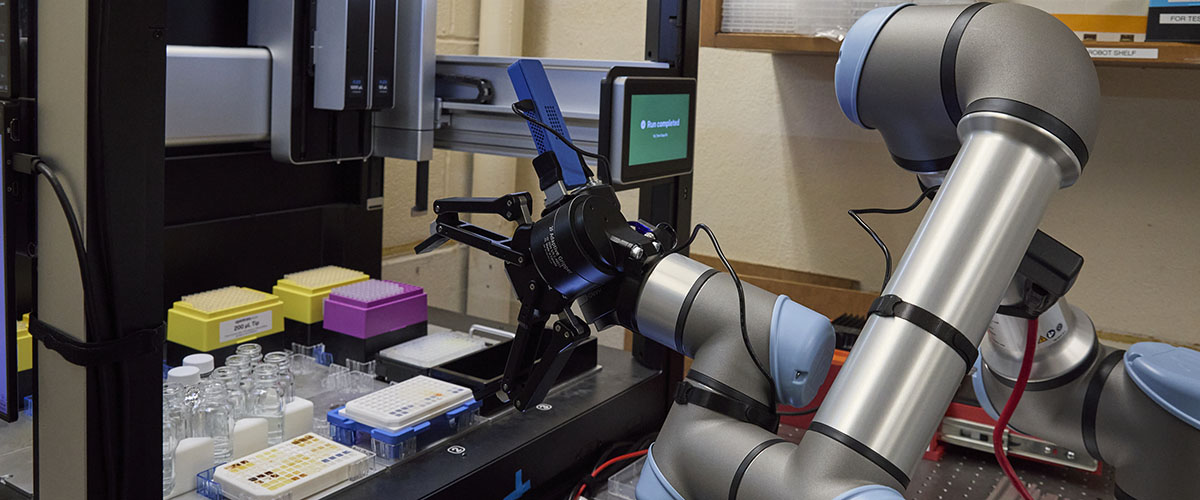
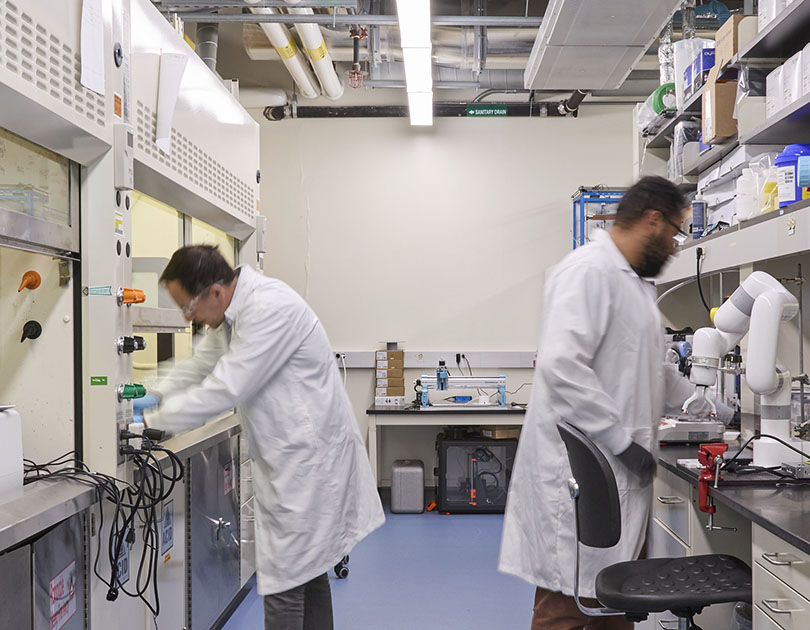
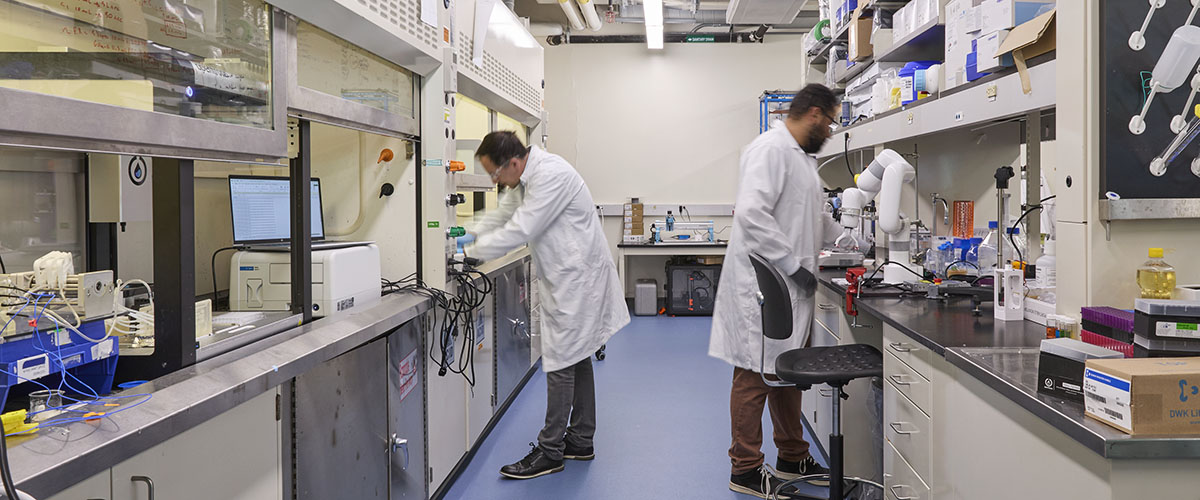
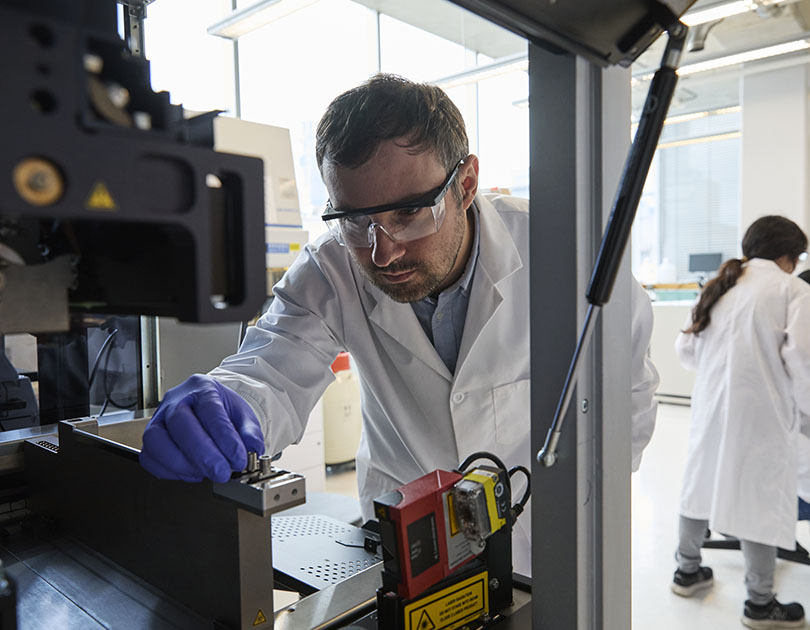
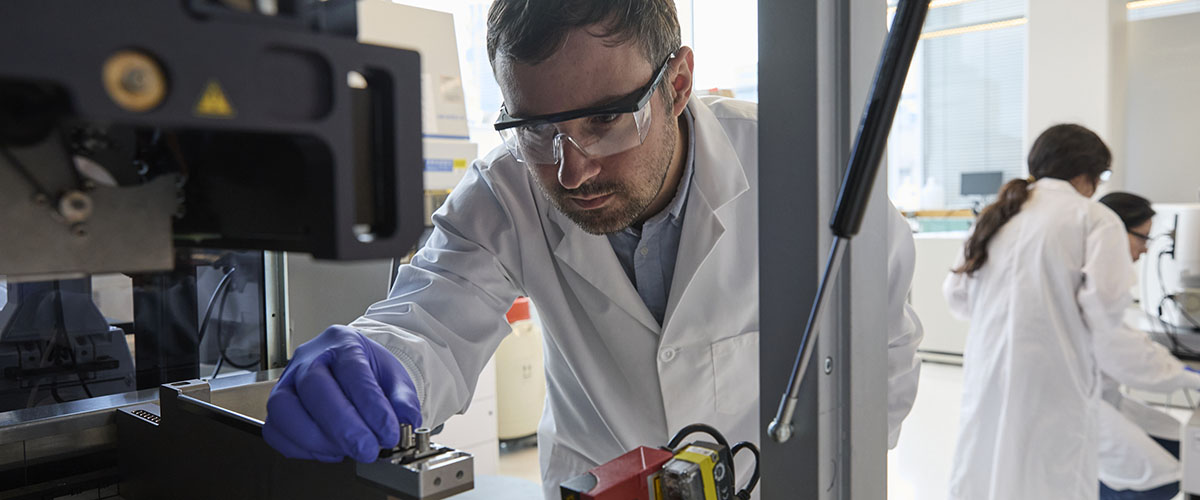
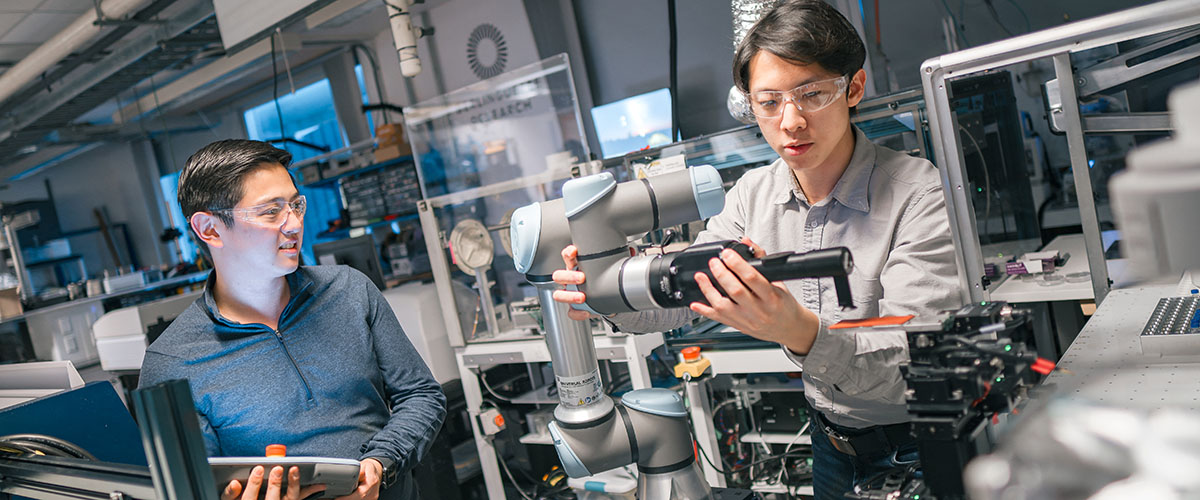
Our facilities include 6 self-driving labs (SDLs) at the University of Toronto (Uof T) and an additional lab at one of our partner institutions, the University of British Columbia, with access to more than 30 SDLs worldwide through our consortium members. As part of our mandate for open innovation, the AC’s labs are user facilities that also support research and development of our academic, industry, and government partners. Our SDLs are led by more than 35 staff scientists anda cohort of over 75 faculty. Renovations are currently underway at the U of T’s Lash Miller building, which will house a selection of our SDLs and other facilities.

Our values

Values-based research design

As materials discovery becomes rapid, inexpensive, automated, and democratized, it is essential that we, with community partners, be guided by shared values. Our values can work positively to ensure that the broader impact of materials is considered before they are deployed and that their production is towards collective benefit and sustainability. These values demonstrate our commitment to open science, collaboration, agility, diversity and inclusion, as well as the importance of Indigenous approaches to sustainability and governance, including the CARE Principles for Indigenous Data Governance:

Care and reciprocity

Timeliness and connecting back to values

Processual consent

Sustainability and harm reduction

Data justice

Collective benefit, community governance, and accountability

Accessibility and open listening

Meaningful transformation

who we work with

Collaborating labs

Each of the AC’s SDLs also work with:

The Lab for the Management of Science and Technology Lab

A lab is dedicated to more effectively managing scientific discovery and innovation, including improving research processes and technology adoption

LEARN MORE
Indigenous Science and Ethical Substance Lab

A lab committed to values-based science grounded in Indigenous and environmental justice values, developing visions of ethical substance, and includes questions of research process, tools, ethical governance, data practices, and material substances

LEARN MORE
the training lab

A hands-on learning facility to support hardware and software upskilling for AC labs for topics such as Bayesian optimization, workflow orchestration, and sample transfer

Learn more
our self-driving labs

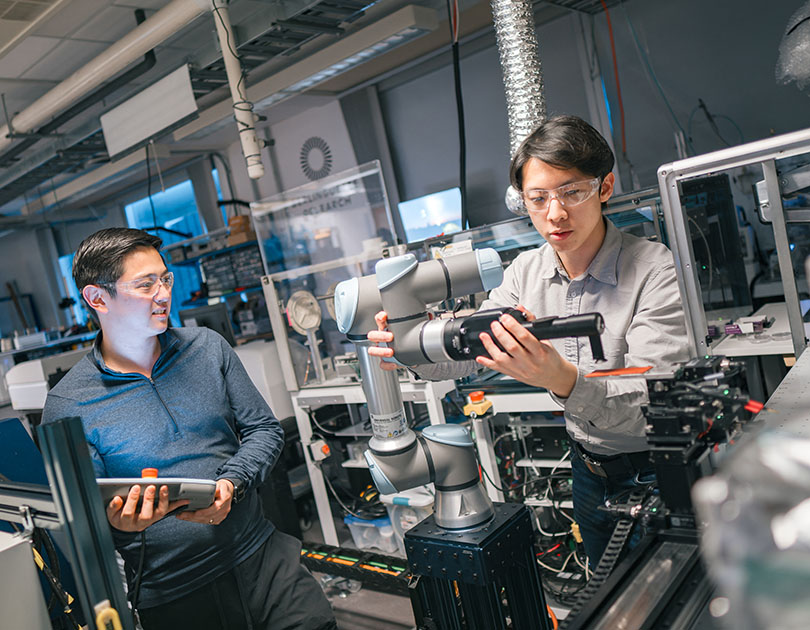
Self-driving labs use AI and automaton to accelerate the discovery or optimization of almost any type of material or molecule. At the AC, we are building a series of SDLs designed to explore a wide range of technological applications:

SDL Details
Location
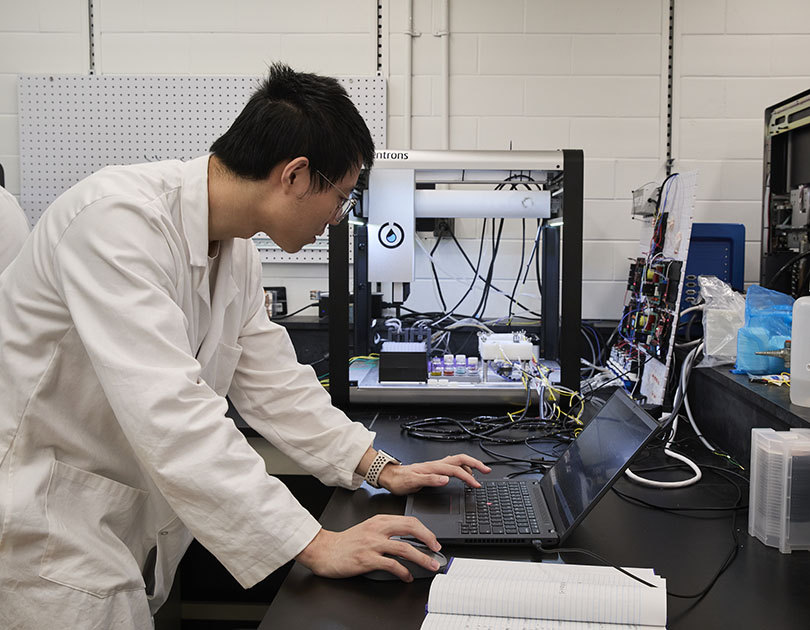
SDL0: AI and automation

Summary:

A research hub to develop AI tools and robotic lab automation hardware for self-driving labs at the AC

members:

Kourosh Darvish

/

Sergio Pablo-García Carrillo

/

Florian Shkurti

/

Kelvin Chow

/

Sissi Feng

/

Chris Sutton

/

Maunica Toleti

/

Geneva Neal

/

institution:

University of Toronto

TOPIC:
View SDL
SDL1: Inorganic

Summary:

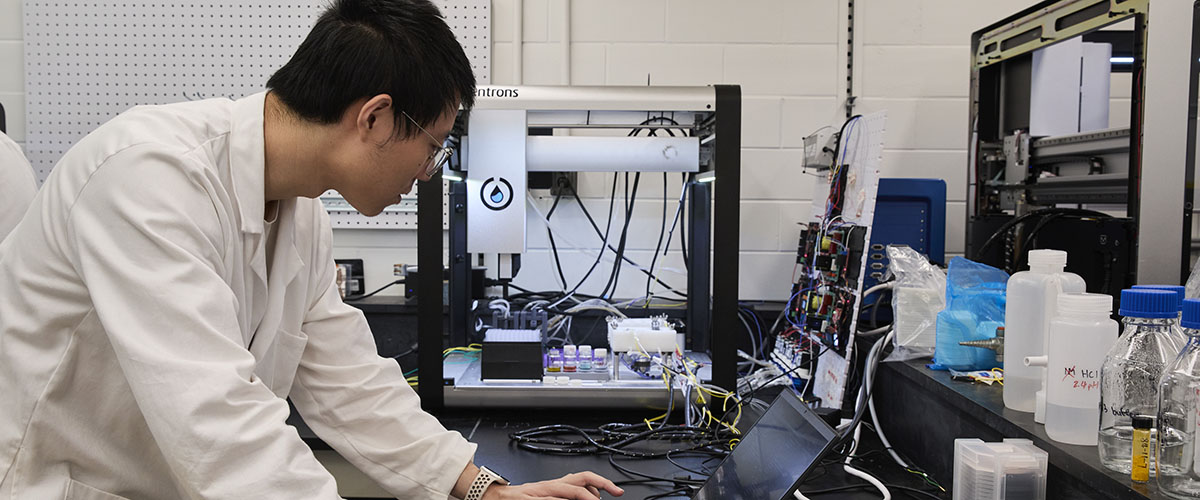
Autonomous inorganic materials discovery comprising synthesis, characterization of structure and function; and application testing across CO2 capture and conversion, energy storage, structural materials, photonics, electronics, and more

members:

Yang Bai

/

Ali Shayesteh

/

David Sinton

/

Mohamad Moosavi

/

Yu Zou

/

Jason Hattrick-Simpers

/

Maral Vafaie

/

institution:

University of Toronto

TOPIC:
View SDL
SDL2: Organic

Summary:

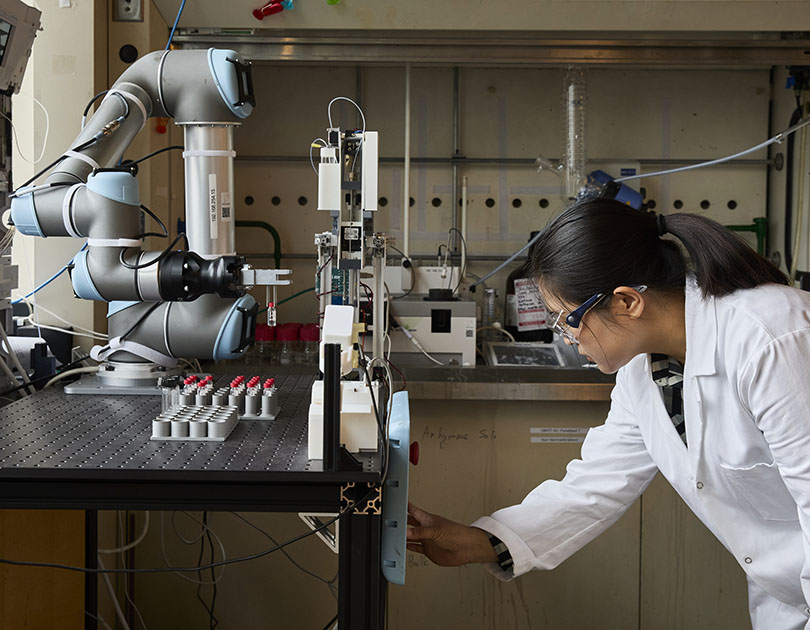
Autonomous organic small molecule discovery comprising synthesis, workup, separation, characterization of structure and function; and application testing across drugs, electronics, photonics, energy storage, green products, and more

members:

Yang Cao

/

Xiaoman Guo

/

Han Hao

/

Eric Isbrandt

/

Sophie Rousseaux

/

Alán Aspuru-Guzik

/

institution:

University of Toronto

TOPIC:
View SDL
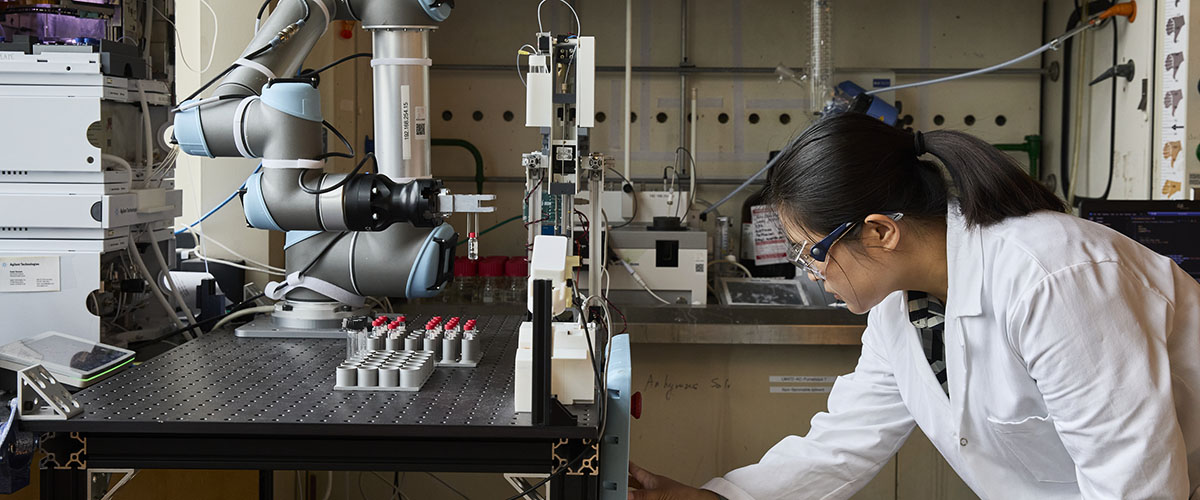
SDL3: Medicinal chemistry

Summary:

Autonomous medicinal chemistry comprising synthesis and bioassays for chemical probe development and hit-to-lead for drug discovery

members:

Santha Santhakumar

/

Carla Brown

/

Stuart Green

/

Cheryl Arrowsmith

/

Robert Batey

/

David Kim

/

Lihi Habaz

/

institution:

University of Toronto

TOPIC:
View SDL
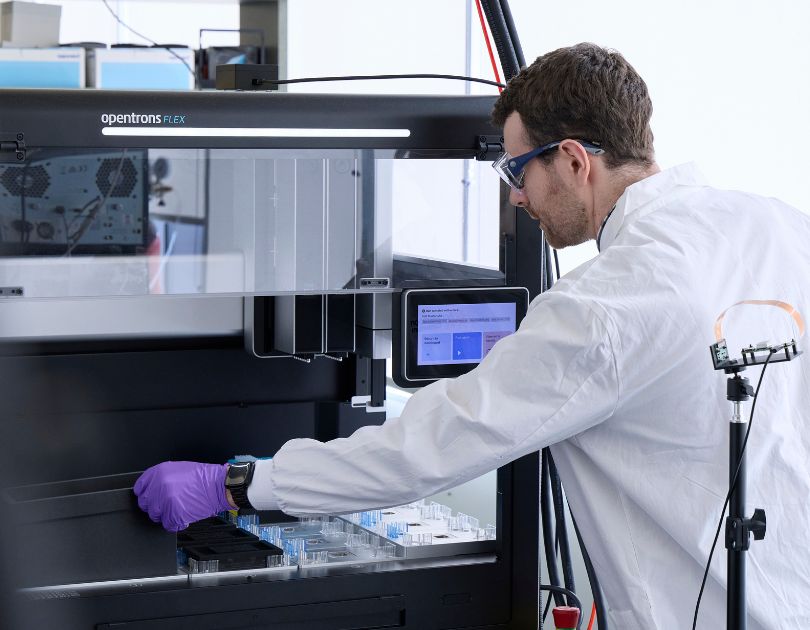
SDL4: Polymers

Summary:

Autonomous polymeric materials discovery comprising synthesis, characterization of structure and function, and application testing across healthcare, sustainability, energy storage, and more

members:

Nipun Gupta

/

Owen Melville

/

Harrison Mills

/

Helen Tran

/

Dwight Seferos

/

Jay Werber

/

Chanelle Brown

/

institution:

University of Toronto

TOPIC:
View SDL
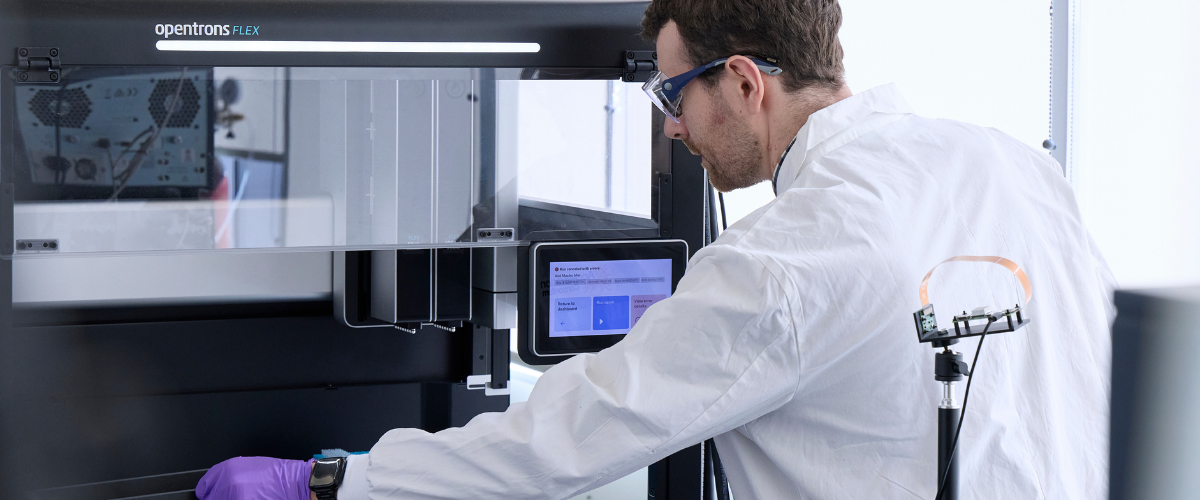
SDL5: Formulations

Summary:

Autonomous formulation of materials comprising combinatorial mixing; formation of liquids, semi-solids, solids; characterization of structure and function, and application testing across personal care, healthcare, and more

members:

Zeqing Bao

/

Frantz Le Dévédec

/

Aaron Clasky

/

Christine Allen

/

Frank Gu

/

institution:

University of Toronto

TOPIC:
View SDL
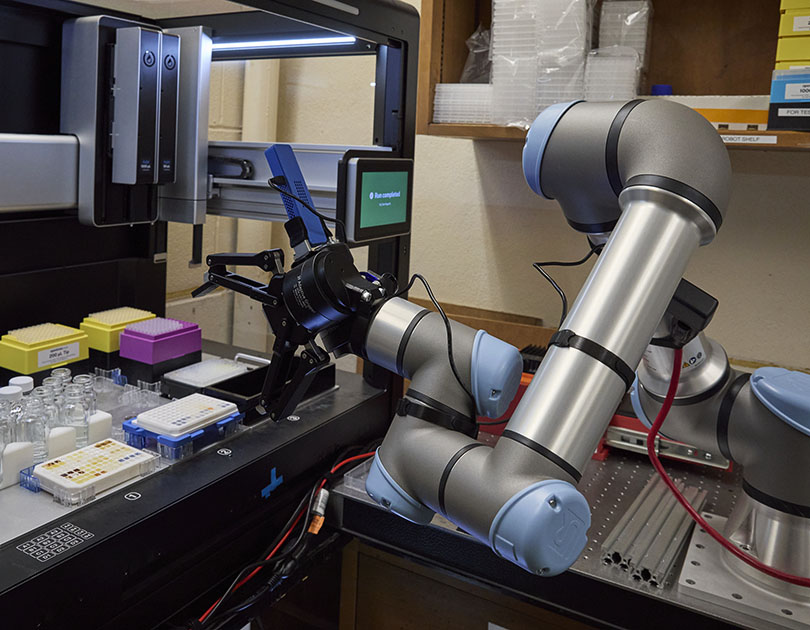
SDL6: Human organ mimicry

Summary:

Autonomous discovery of next-generation human tissue models and novel therapeutics

members:

Yimu Zhao

/

Ilya Yakavets

/

Milica Radisic

/

Vuk Stambolic

/

Rosanna Jiang

/

Maunica Toleti

/

institution:

University of Toronto

TOPIC:
View SDL
SDL7: Scale-up

Summary:

Autonomous workflows bridging molecular and materials discovery with scale-up and translation

members:

Ekaterina Trushina

/

Jason Hein

/

Curtis P. Berlinguette

/

Zahra (Sonia) Azimi Dijvejin

/

Mehrdad Mokhtari

/

Ryan Oldford

/

Ivory (Wenyu) Zhang

/

Matthew Reish

/

Joshua Derasp

/

institution:

University of British Columbia

TOPIC:

View SDL