
Overview
Autonomous discovery of next-generation human tissue models and novel therapeutics
Vision
The vision of our self-driving lab for human organ mimicry is to use AI and automation to develop next-generation high-fidelity human tissue models to discover new drugs and test for their toxicity. There are 78 healthy organs in the human body, 5 of which are considered vital: the brain, heart, lungs, liver, and kidneys. Each organ is composed of multiple tissues, and each tissue consists of various cell types—estimated to be ~200-400 across all organs.
By creating new ways to build advanced "organ-on-a-chip" systems using real patient samples, we will accelerate the discovery of life-saving therapies, while reducing the reliance on animal testing. Both organoids and organ-on-chip technologies are sophisticated tissue models that emulate organ-specific functional units with a high degree of biological relevance. By speeding up tissue engineering using AI and automation, we will offer the scientific community a practical way to enhance tissue models and explore new hypotheses at scale. By shortening the cycle time required to create a single organ, we can profoundly accelerate the entire field.
In the future, we envision an AI-powered system that draws from the data that we generate in the lab to predict the optimal experimental conditions for any desired tissue type using patient-derived cells. This system could generate organ-specific or disease-specific models on demand, fundamentally transforming how we study biology, provide patient care, and treat both rare and common disease. Our SDL will demonstrate how traditional workflows can become autonomous platforms, allowing higher consistency in cell culture, accelerate discovery of biomaterials and support tailored tissue model development, all at a reduced cost.
Select project highlights

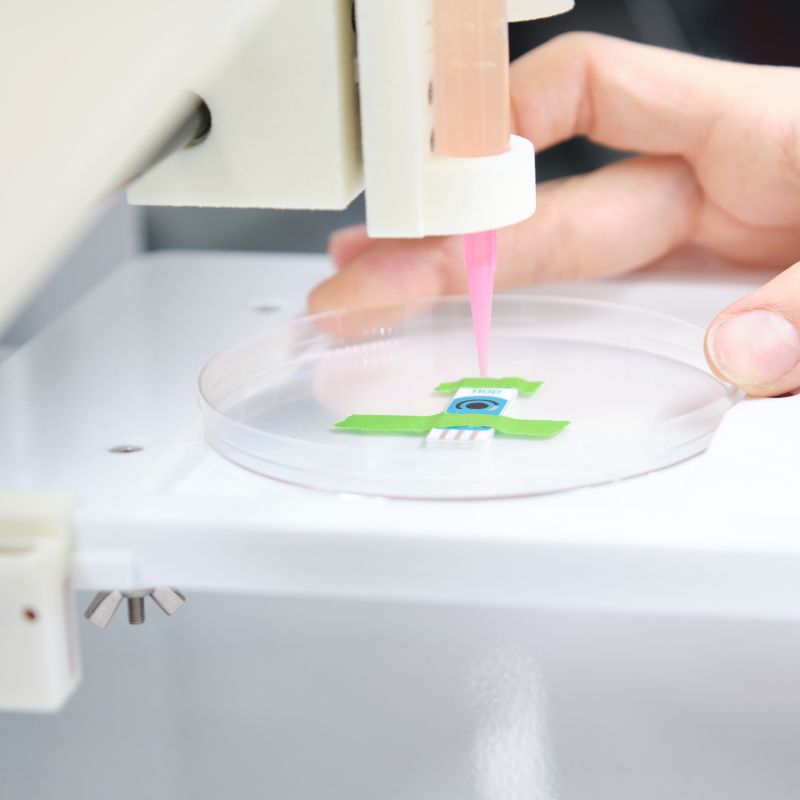
Bayesian optimization of organ function in vascularized tissue models to recapitulate organ-specific microenvironments to mimic real human organs for testing the efficacy or toxicity of a drug
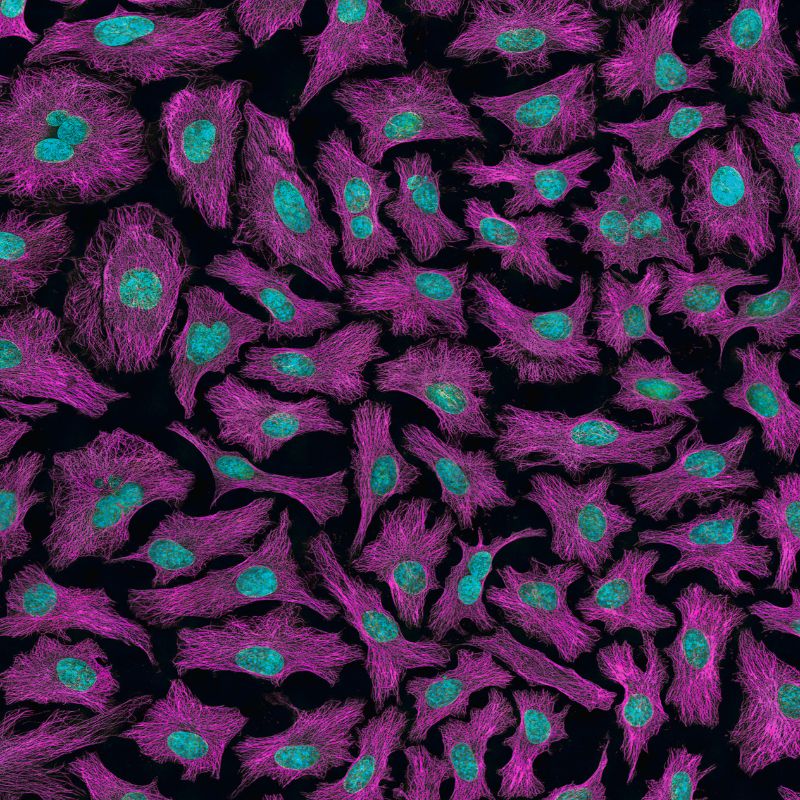
Machine-learning-enabled media optimization of an automated platform for screening of cardiac microtissues in heart cell transplant therapy
Bayesian optimization of antibody production to increase the throughput and safety of large-scale antibody drug testing



Select equipment
Automated cell culture with a variety of liquid handlers (Hamilton MicroPrep, Hamilton STARLet, Beckman Coulter Biomek i5), and automated CO2 incubator (Thermo Cytomat C2)
Automated cell monitoring with a high-content imaging platform (Agilent Cytation C10)
Self-driving lab testing set up with a variety of robotic arms (Brooks PF3400, Universal Robots UR5 and UR3, ABB CRB15000) and automated fluorescence microscope (Zeiss Observer Z1)
Automated antibody production, cell monitoring, and antibody harvest with automated centrifuge (Agilent VSPIN)