
Overview
Autonomous organic small molecule discovery comprising synthesis, workup, separation, characterization of structure and function; and application testing across drugs, electronics, photonics, energy storage, green products, and more
Vision
Organic small molecules are small, carbon-based chemical compounds that play essential roles in our everyday life and modern technology. They can interact with biological systems to regulate biological processes and act as drugs, pesticides, or signalling molecules. They can also act as building blocks for larger molecules such as proteins and polymers. Organic small molecules are widely used in materials science to create flexible electronics, organic semiconductors, light-emitting devices, and responsive soft materials. What makes organic small molecules especially powerful is that small changes in their structure can lead to drastic changes in behaviour, which makes them powerful tools for innovation. The process of synthesizing organic small molecules is like composing music using chemical building blocks instead of notes: the order and condition of each step matter. Known reactions are abundant, but combining them effectively is slow, costly, and intuition-driven. Navigating vast reaction pathways determines whether promising molecules succeed or fail.
The Organic Chemistry Self-Driving Lab focuses specifically on overcoming this synthesis bottleneck. We develop automated, data-driven platforms to design, execute, and optimize complex organic synthesis workflows with a focus on pharmaceuticals, catalysis, and functional materials. By tightly integrating synthesis, purification, and analysis, our lab enables faster route development, rapid optimization, and reproducible production of high-value organic molecules. Our goal is to make complex organic-molecule synthesis more predictable, scalable, and reliable—reducing development risk and enabling industry partners to move from molecular ideas to practical solutions faster and with greater confidence.
Application areas
Below is a selection of this lab's application areas. Don't see what you're looking for? Reach out to learn more.


Select project highlights
An autonomous liquid–liquid extraction platform to enable reproducible, solvent-efficient purification of organic molecules and accelerate translation from bench-scale experiments to plant-scale processes
A self-driving lab for high-throughput solubility measurement and crystallization studies, combining flexible robotics and advanced analytics to accelerate discovery of challenging chemical systems
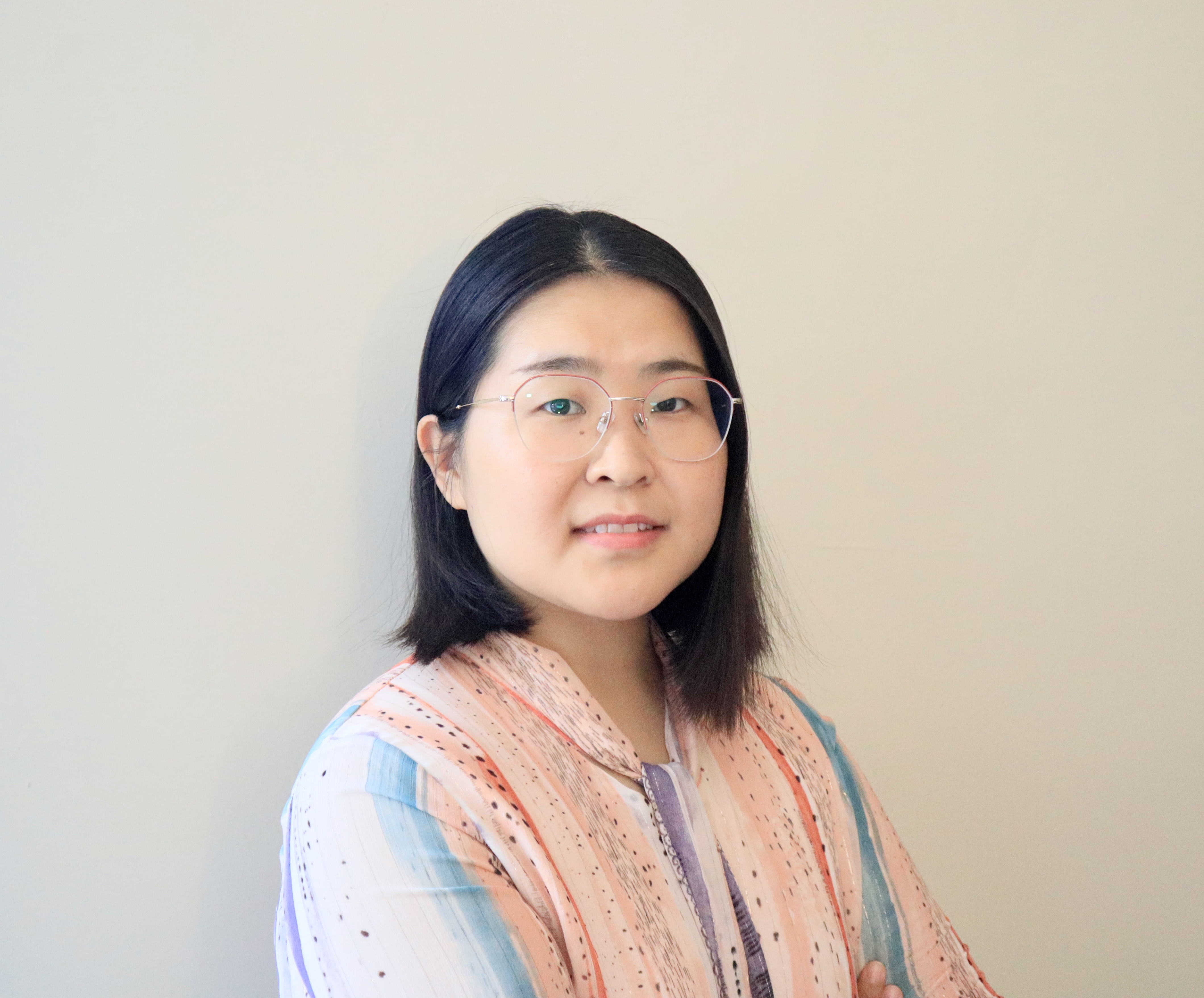
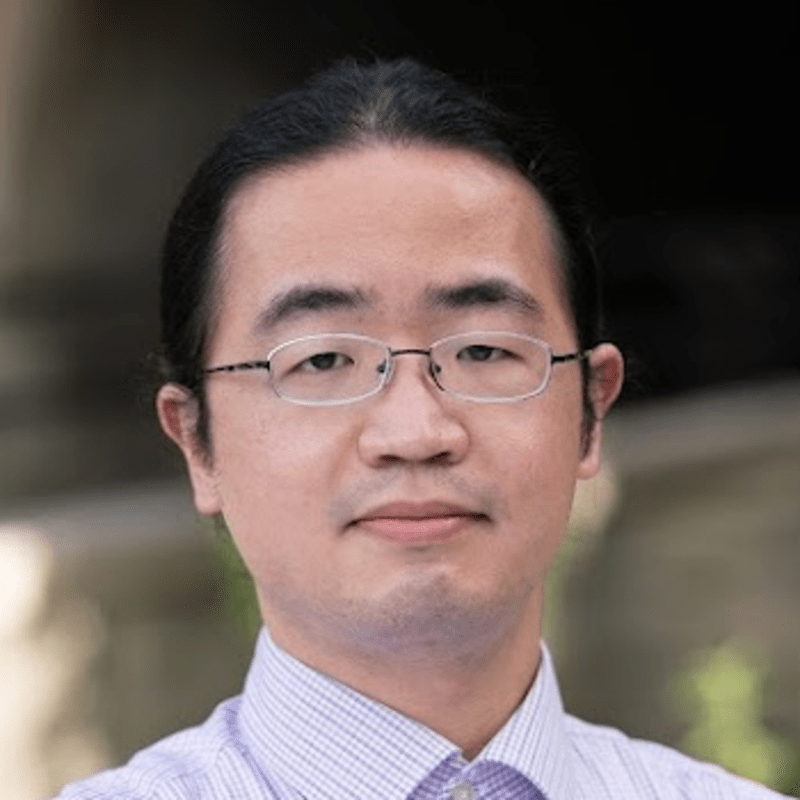
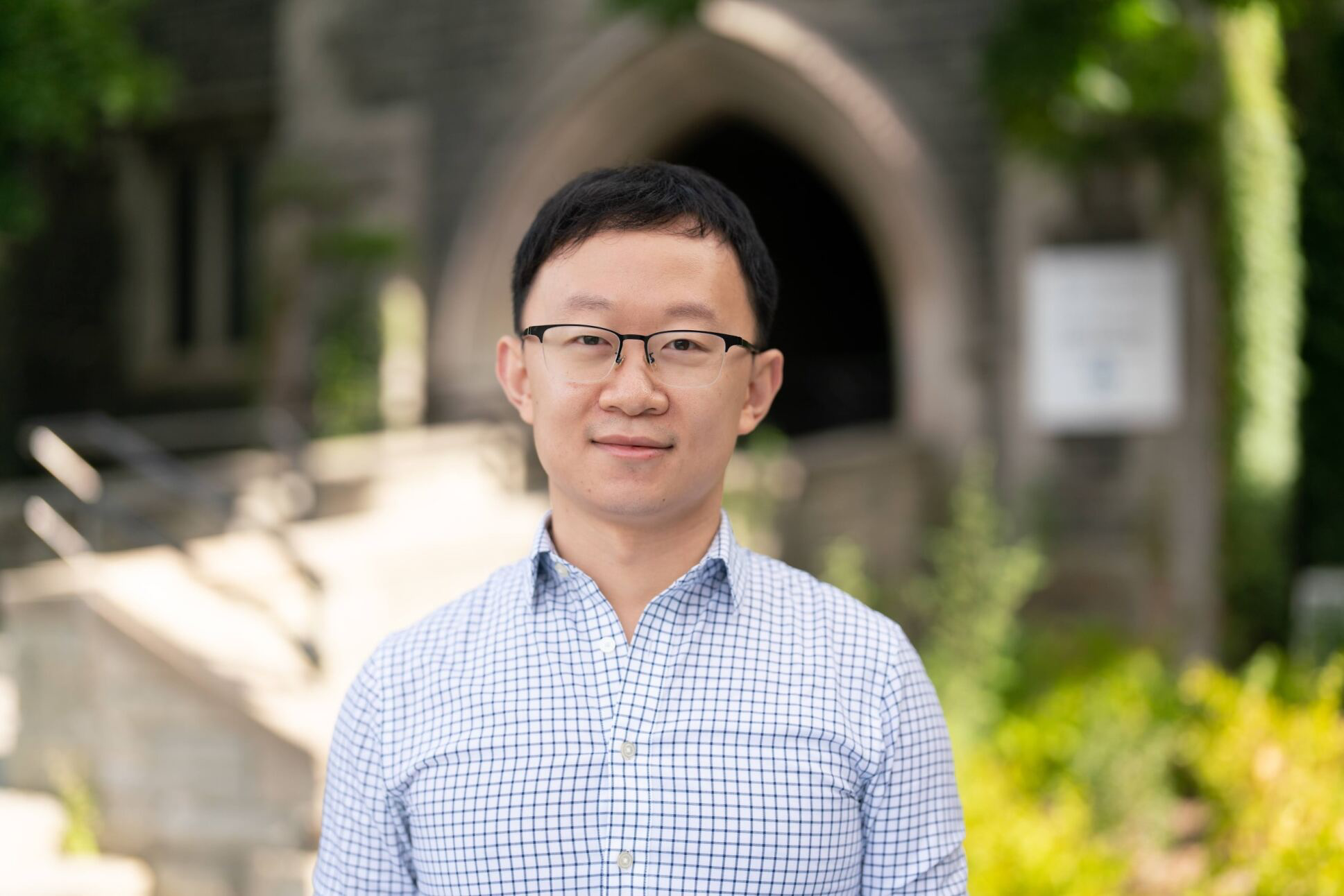
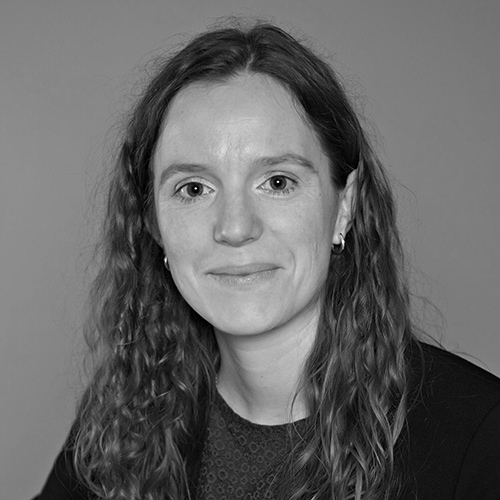
Meet our scientific advisors

Select equipment
An automated liquid-liquid extraction platform (UR-5 cobot from Universal Robots, Agilent HPLC, EasyMax Reactor, Mettler Toledo high-precision balance, as well as a custom-designed modules)
Adaptive multi-purpose high-throughput experiment platform (Agilent UPLC-MS, Agilent Cytation 5 Plate Reader, xArm robot, OT-2, orbital shaker, plate filtration)
Automated platform for solid and liquid sample preparation and reaction to accelerate chemical screening and optimization (UR-3 cobot, Opentrons Flex, and Mettler Toledo high-precision balance)
A modular “Medusa” platform enabling universal liquid handling, including online sampling, endpoint analysis, and post-reaction processing
A low-cost, automated, low-maintenance pH measurement unit that determines pH from a single drop of solution and is compatible with any liquid handler
A low-cost rapid solid-dosing platform for 96-well microplates with small enough footprint to be used in crowded fume hoods and gloveboxes