Our plans for a materially better future
Our team at the Acceleration Consortium
Open roles and opportunities
Our comprehensive equity, diversity and inclusion program
Get in touch
How self-driving labs work and their potential to change the world
Our core facilities and related labs
AC-related research and discoveries
Our researchers around the world
Our affiliate researchers around the world
Our network of postdoctoral fellows
Our community of government, industry, startups, and not-for-profits
Programs and grants to support the next generation of scientists
Our upcoming workshops, seminars, and more
Our annual conference
Hands-on courses to learn about the principles and tools of accelerated discovery
The latest at the AC and in the field of accelerated discovery
How the AC is making a mark
Answers to commonly asked questions
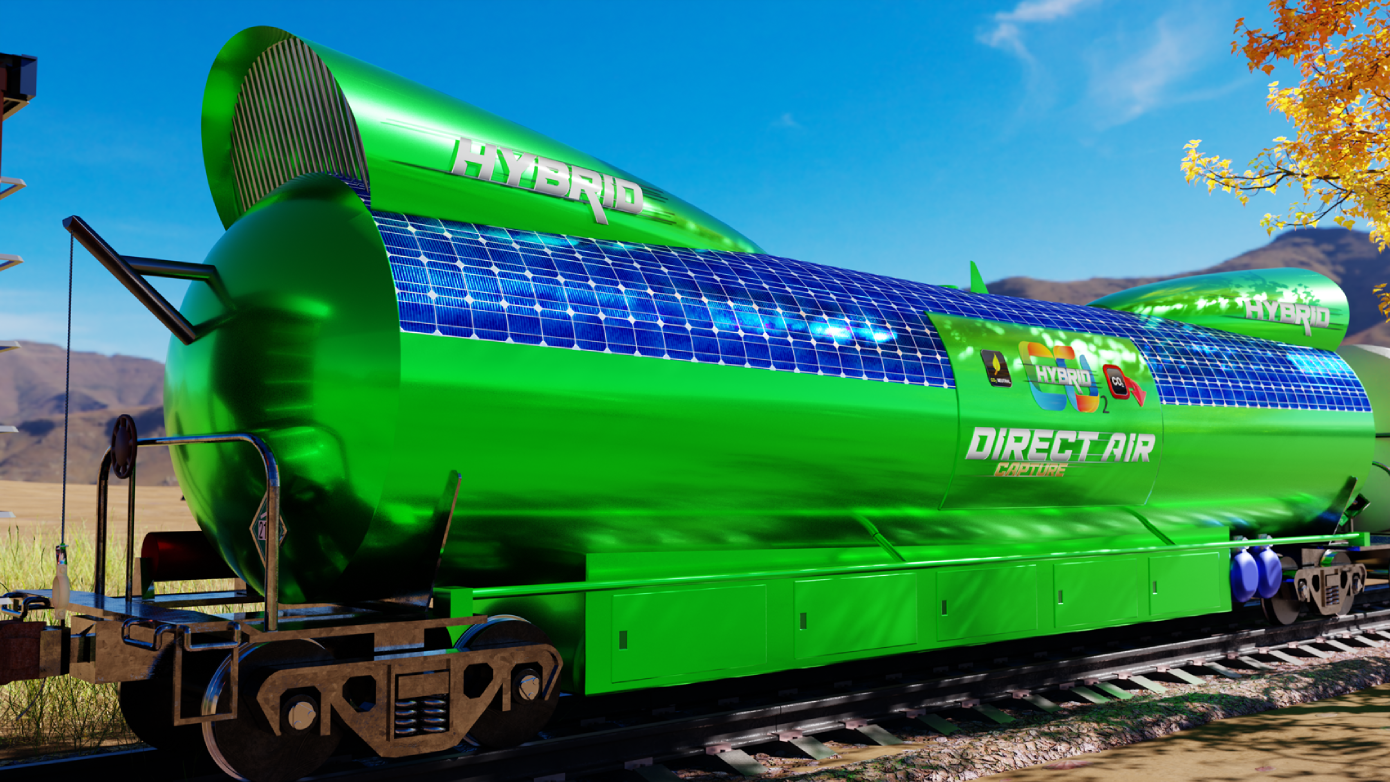
Turning trains into gigatonne-scale carbon capture systems
University of Toronto researchers use quantum computer to discover potential cancer drug treatment
U of T researchers develop new approach using quantum computers to accelerate drug discovery
“Delocalized, Asynchronous, Closed-Loop Discovery of Organic Laser Emitters” demonstrates the AC’s global leadership in self-driving labs
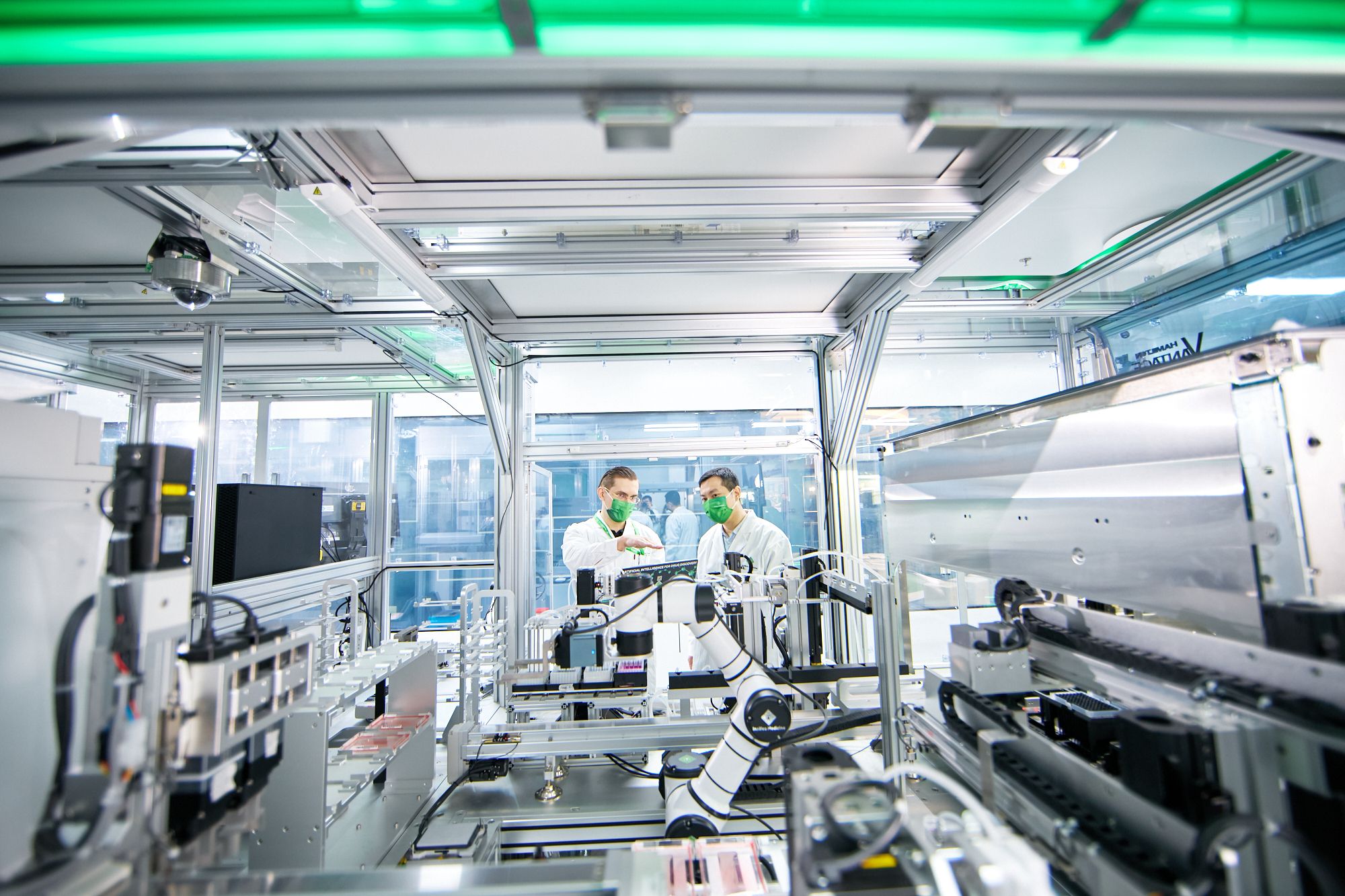
New study uses AlphaFold and AI to accelerate design of novel drug for liver cancer
Meet El Agente, an autonomous AI for performing computational chemistry
Kumacheva and Aspuru-Guzik paper highlights groundbreaking self-driving nanochemistry lab
Accelerate Translation Grant recipient is using self-driving lab technology for lipid nanoparticles discovery to support new mRNA therapies
Accelerating the discovery of organic lasers with self-driving labs