New autonomous teaching lab backed by AC researchers will transform experiential learning at UBC Chemistry
UBC branch of the Acceleration Consortium to help new generation of scientists harness emerging technologies

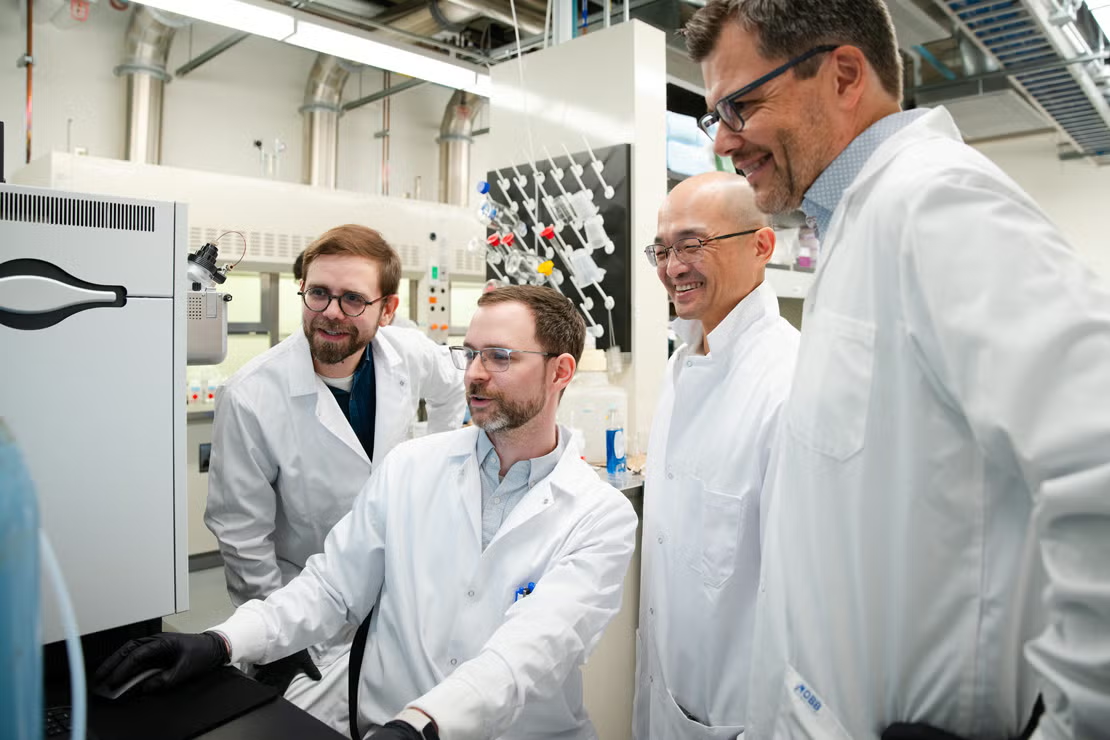
A groundbreaking initiative at the University of British Columbia will give students hands-on experience with cutting-edge automated experimentation, robotics and machine learning technologies that are rapidly transforming how scientific research is conducted.
The project, “Next Gen-Chemistry: Building an Autonomous Teaching Lab for Experiential Learning” is funded by UBC’s Teaching and Learning Enhancement Fund, led by Professor of Teaching Jay Wickenden, Professor Jason Hein, and Postdoctoral Fellow Jiayu Zhang in UBC Chemistry; and supported by staff members across the Faculty of Science and the Centre for Teaching, Learning and Technology.
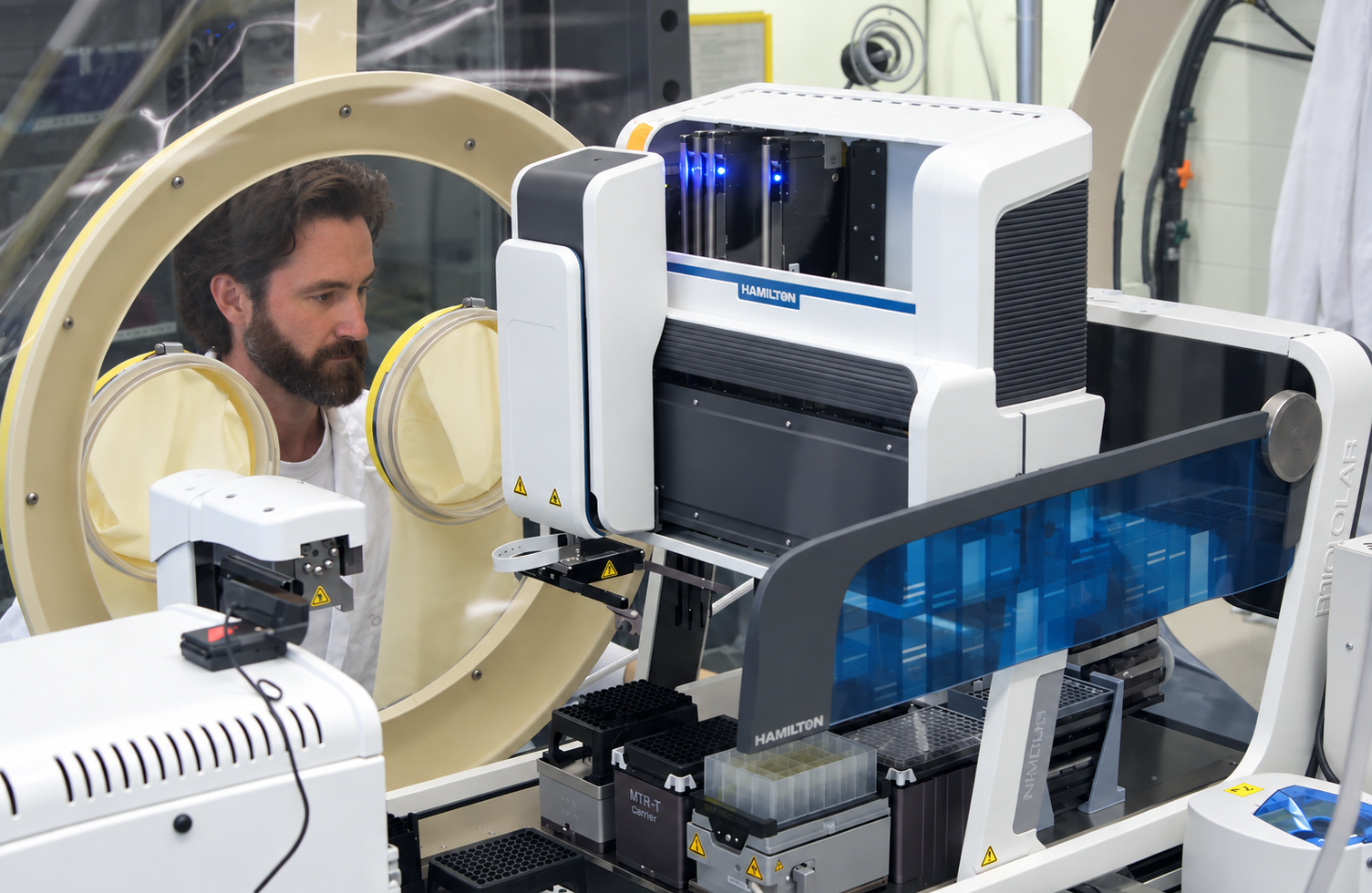
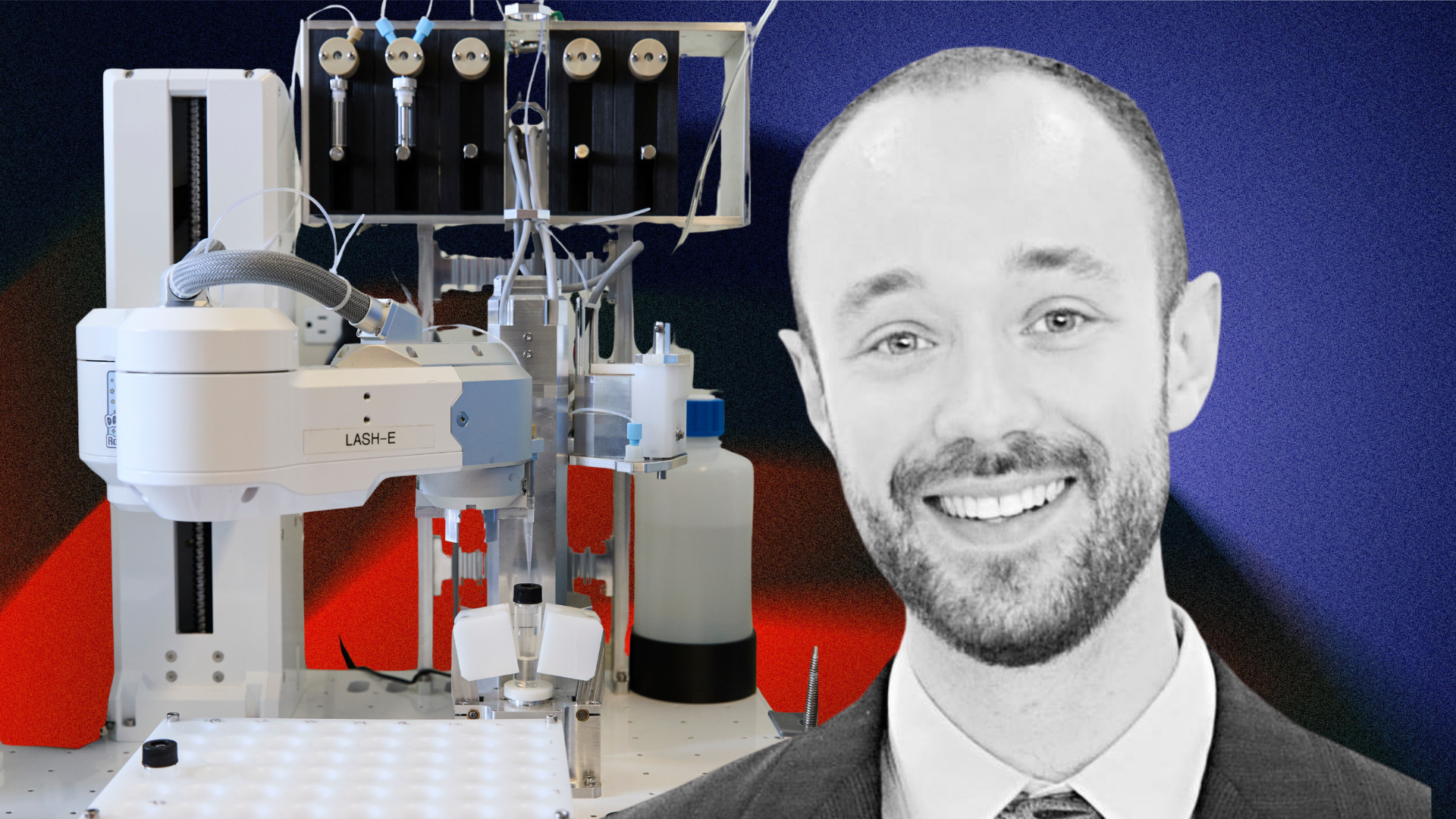
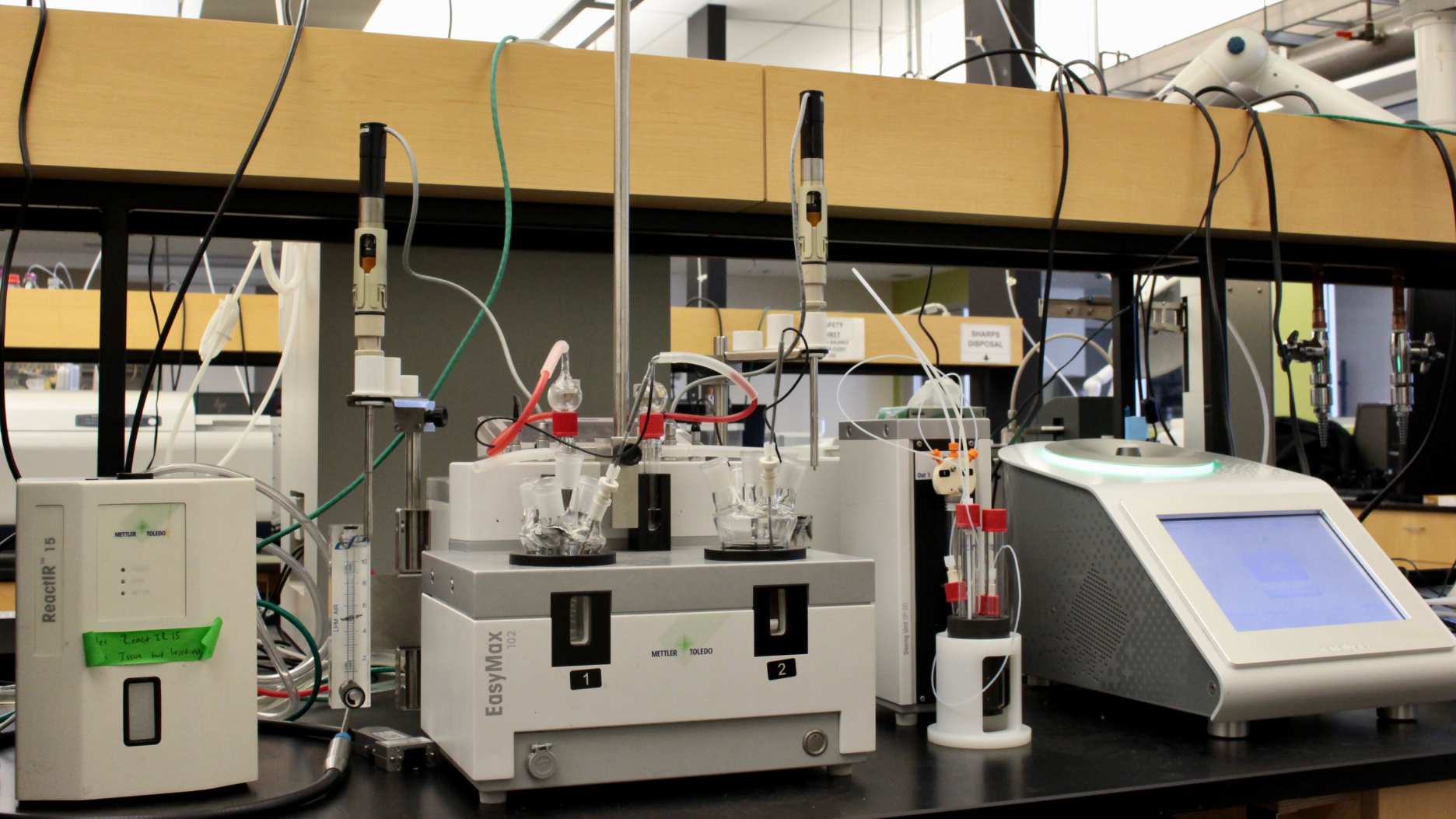
Over the course of the next three years, the team will develop an autonomous teaching laboratory where undergraduates can learn to design, execute, and analyze experiments using hardware such as programmable pumps, robotic liquid handlers and automated reactors.
Students will make use of data-driven approaches to optimize experiments and interpret data, while open-source software and machine learning feedback loop will allow them to interact with chemistry in new ways.
“Automation and AI are changing the way chemistry is done, and our academic program must adapt,” says Prof. Wickenden. “Through experiential learning, students will learn to harness emerging technologies early on in their training, and develop the interdisciplinary agility needed to apply these technologies to grand scientific challenges.”
The project builds on research in self-driving laboratories, which is supported through the Canada First Research Excellence Fund (CFREF) awarded to the Acceleration Consortium based at the University of Toronto, with UBC as a partner institution. Self-driving laboratories combine lab automation with advanced robotics and AI to accelerate scientific discovery and deployment.
“Bringing these breakthroughs into undergraduate education will help bridge the gap between traditional academic training and the state-of-the-art technologies in industrial and research labs,” says Prof. Hein, who leads the UBC branch of the Acceleration Consortium. “We’re equipping a new generation of scientists who will support Canadian industries to innovate, grow, and stay competitive on the global stage.”
Working alongside undergraduate research assistants, the project team aims to embed autonomous laboratory experiences across multiple chemistry courses. Students will develop transferable skills spanning experimental design, automation, data science, machine learning and software integration, and problem solving.
Dr. Zhang, whose graduate research focused on innovative reaction monitoring and data analysis, has experienced firsthand the potential of this training approach. “Our vision for the teaching lab is far more than introducing new instrumentation,” he says.
“Gaining proficiency in automated and data-driven experimental approaches will help students unlock so many new possibilities of exploring ideas, asking questions, and realizing discoveries.”
For details on the awarded project, visit the UBC Teaching and Learning Enhancement Fund website.